

I Hated Meditation. Then I Tried a Sound Bath.
At your first sound bath, you sit or lie down, get comfortable, and listen while instruments like crystal singing bowls are played for most of the session. You don't need to meditate, be religious or spiritual, or do it "right." I know, because I went into my first one having just given up on meditation entirely.
The Year Meditation Didn't Work for Me
In 2020, I left New York City to ride out COVID at my family's lake house in northern Illinois. I thought I'd be there a few weeks. Seven or eight months later, I was still there, feeling stuck, unhappy with work, and watching a five-year plan I'd spent nearly a decade working toward quietly fall apart. I'd been working toward moving abroad, and with everything happening in the world, I knew it wasn't going to happen.
So I tried meditation. I tried all the apps. I tried setting a timer. I did everything I could, and I honestly hated it. Eventually I decided I was done.
Then a friend asked if I was still meditating. I told her no, I hated it, and I'd stopped. She pointed out that I'd started having panic attacks after I stopped. I hadn't connected the dots. The light bulb went off: it had been working. I just didn't like how.
Looking for a Different Way In
I still didn't want to meditate. But I figured there had to be another form of mindfulness that would suit me better. I tried reiki, breathwork, and a few other things. Then one day the thought popped into my head: what about a sound bath?
I didn't even know what one was. I'm fairly sure I googled "what is a sound bath," because I genuinely wondered if I needed to be in a whirlpool tub. (You don't. The "bath" is the sound washing over you.)
Everything was online at the time, so I found a free virtual sound bath at a time that worked. Free was even better. If I didn't like it, I hadn't lost anything.
My First Sound Bath
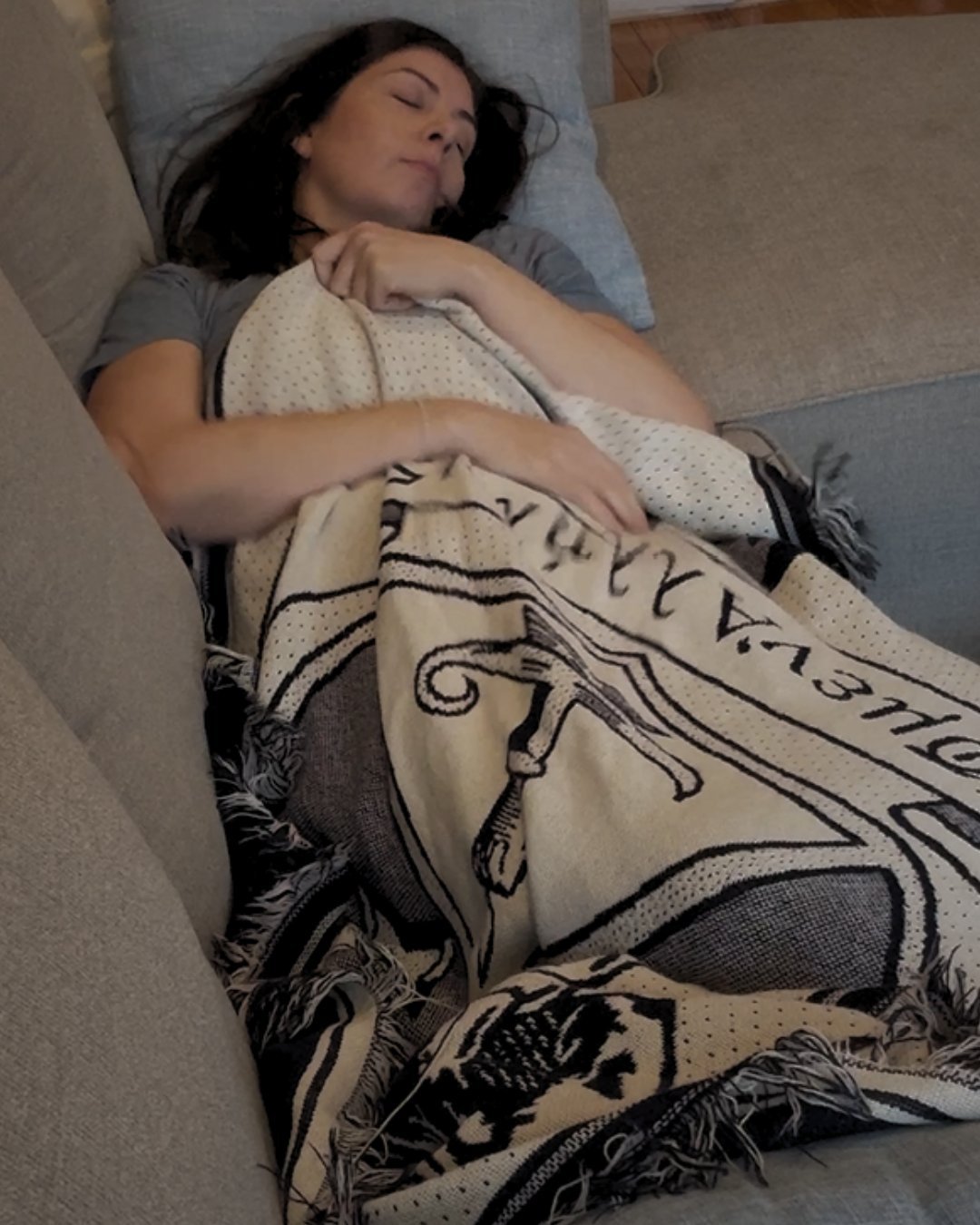
I curled up on the couch with a blanket, put on an eye mask, dimmed the lights, and tuned in on my iPad. I went in with an open mind and very low expectations.
By the end of the hour and a half, I felt amazing. It was a complete 180 from where I'd been for months. I felt like I could float across the room. I wanted to do cartwheels. I didn't know what had just happened, but I knew I needed more of it.
So I kept going. The sound healer who led it became my mentor, and when she opened The Sound Healer's Academy, I hesitated for a long time. My career was in banking and financial services. What would people think? Was she even who she said she was? Then I saw on Instagram that she was having coffee in Manhattan with one of my coworkers. They turned out to be best friends. That was my green flag. I applied five minutes later, and then had to buy my own bowls, which was its own awakening.
Why It Worked When Meditation Didn't
Meditation asks your mind to calm your body. In a sound bath, the sound does the work. Your body relaxes first, and your mind follows when it's ready. For someone like me, with a busy, analytical brain that loves a to-do list, that order made all the difference.
Research backs this up for beginners in particular. A 2017 study in the Journal of Evidence-Based Complementary & Alternative Medicine found that after a singing bowl meditation, participants reported significantly less tension, anger, fatigue, and depressed mood. People who were new to sound meditation saw the biggest drop in tension.
What to Expect at Your First Sound Bath
Whether it's in person or online, most sound baths follow the same simple flow:
Before: wear something comfortable, bring warm socks or a blanket, and eat lightly. If you're pregnant, have epilepsy, have an implanted medical device, or are sensitive to sound, tell your practitioner beforehand.
Getting settled: you'll lie down on a mat or get comfortable on a couch. An eye mask helps.
The sound: instruments like crystal singing bowls are played for most of the session. Your mind may wander, you may drift off, you may feel emotional. All of it is normal.
Afterward: take your time getting up, drink some water, and try not to rush straight into something stressful.
You don't need to switch off on command. You just need to show up and lie there.
The Part Nobody Tells You
The first sound bath is the spark. The routine is what changes things.
What came next, through my training, was a daily practice. Some of it was hard and frankly uncomfortable, like early-morning kundalini yoga, and I didn't love all of it. But I trusted my teacher, and after weeks and months, I noticed the difference. I could catch a bad mood before it ruined my whole day, pause, and rein it in.
Today not only do I play my bowls daily, but I meditate every morning. The 2020 version of me would have bet millions that would never happen. Now it's like brushing my teeth. My routine has changed over time, and yours can too. Listen to your body. But having one affects everything: your day, your work, and how you show up for the people around you.
Frequently Asked Questions
How long is a sound bath?
Most sound baths last 45 to 90 minutes. My first was an hour and a half. Private sessions with me are normally 60 minutes.
Can I do a sound bath online?
Yes. My first sound bath was virtual, on my couch with my iPad. Some people find it even easier to relax at home, in their own space. Research has found that singing bowl sounds can shift brainwaves toward slower theta and delta waves, the patterns linked with meditation and deep relaxation.
What if I hate meditation?
You're in good company. A sound bath isn't the same as meditation. The sound leads and your mind follows, which is why it often works for people who couldn't get on with meditation.
What should I bring to a sound bath?
Comfortable clothes, warm socks, and a blanket. An eye mask is a nice extra. At home, a dim room and a comfy spot on the couch are all you need.
Is it normal to feel emotional?
Yes. Some people cry, some feel very relaxed, some anxious, and many fall asleep. All of it is normal.
Curious what sound feels like for you? Try my free 5-Minute Sound Bath Reset at home. If you're in the Algarve, contact me to book a private or small group sound bath.
