

For most people, sound baths are safe and deeply relaxing. But a few groups should check with their doctor first: people who are pregnant, have a pacemaker, have epilepsy or a seizure disorder, or are very sensitive to sound. If you're unsure, talk to your doctor and let your facilitator know before the session starts.
Who Should Check With a Doctor First?
For my private sessions, I ask clients to talk to their doctor first if any of these apply:
Pregnancy. Many practitioners recommend extra caution, especially with strong vibrations or instruments placed close to the body.
A pacemaker or other implanted medical device. Sound is vibration, so it's worth checking with your doctor.
Epilepsy or a seizure disorder. Certain sounds may make symptoms worse, which is why physician-reviewed guidance suggests checking with a healthcare professional first.
Sound sensitivity. If loud or sustained sounds are hard for you, a sound bath may be uncomfortable. Sitting farther from the instruments can help.
This isn't medical advice, and I'm not a doctor. If you have any concern about your health, your doctor is the right person to ask.
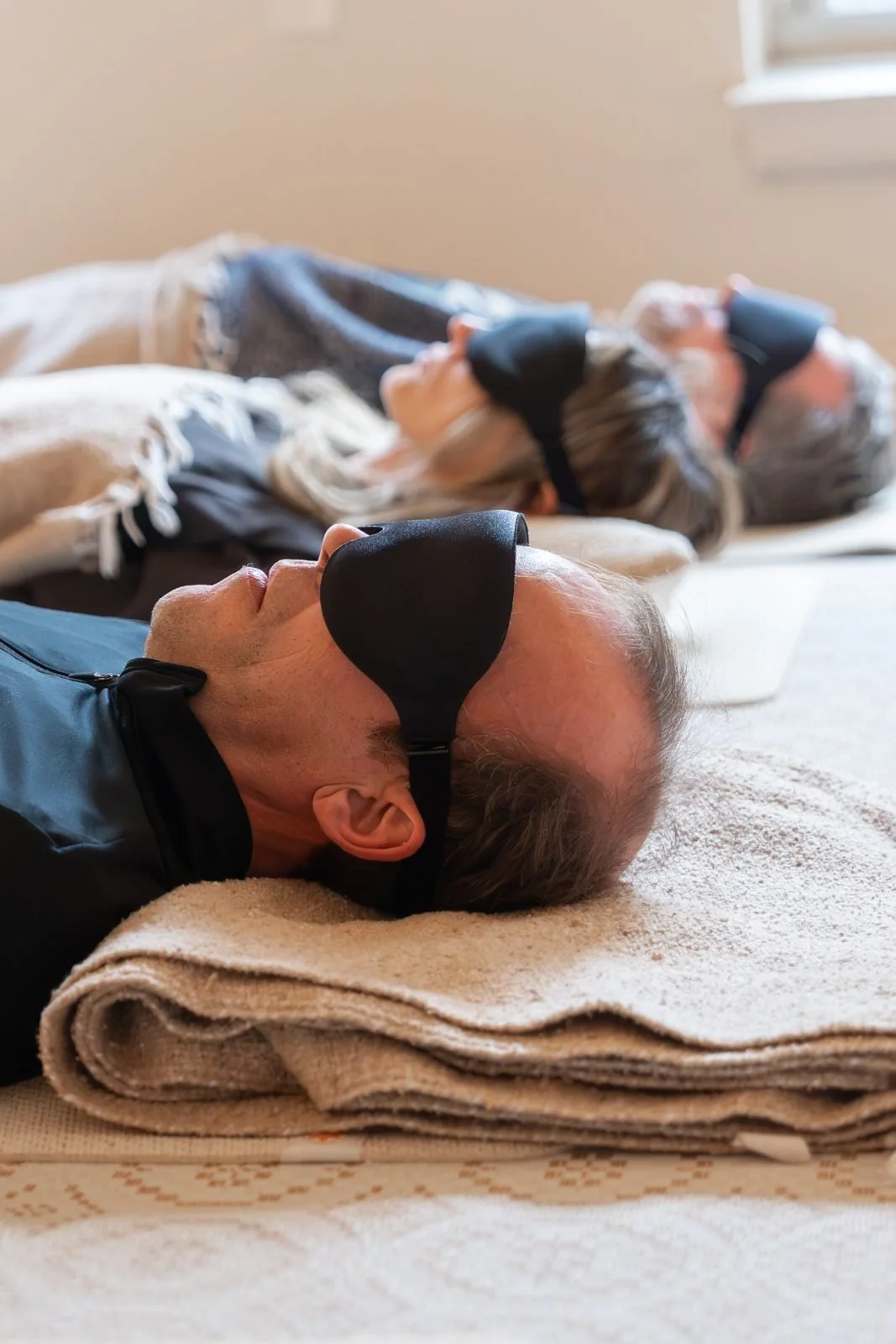
Tell Me Before We Start
If you have a question, or you think you might have a hard time, come up and tell me before the sound bath begins. I'm always happy to talk it through.
A few things that can help:
Sit near the back, close to the door. That way you can leave quietly if you need to.
Leave anytime. If something doesn't feel right, listen to your body and go ahead and leave. A good facilitator won't take it personally. And it doesn't mean sound baths aren't for you. You're always welcome to try again another time.
Sit up instead of lying down. If lying down feels vulnerable or uncomfortable, sitting is completely fine.
For private sessions, we talk on a short call beforehand, and I have clients fill out an intake form, so I can shape the session around what they need.
What Reactions Are Normal?
Most people simply feel calmer, well rested, and a little lighter. Sound healing can go deeper than people expect, especially with gongs. Crystal bowls, which I usually play, are gentler. It's normal to notice a few other things too:
Feeling emotional. If you're going through something, you may feel very emotional. The sound can help feelings that were stuck finally come up and release in a healthy way.
Feeling groggy. Some people come out of a sound bath not quite awake yet. Take your time getting up.
Noticing pain somewhere in your body. This is rare. When it happens, it usually releases by the end of the session. If it doesn't, drink plenty of water and keep an eye on it. If it hasn't cleared within a couple of hours, let your practitioner know, and absolutely check with your doctor if you're concerned.
Things People Worry About (That Are Actually Fine)
Falling asleep or snoring. People snore all the time. If you fell asleep, that's what your body needed.
A racing mind. Maybe you came because you're going through a hard time, and your mind wouldn't settle. That's okay too. You still gave yourself time to rest, and your body still received the sound. Many people notice afterward that they feel a little calmer, or sleep a little better that night.
Not having a big experience. My first sound bath was life-changing. But that's not the case for most people. Most people just feel a little better, and that's enough. If you go in expecting something dramatic, you might miss what's actually happening, or feel disappointed. I always suggest coming with an open mind. Every session is a little different.
A Simple Way to Notice More
If you're curious, try journaling after a sound bath. Write down how you feel, what came up, and anything you noticed in your body. Over time, it can help you pick up on stress you didn't realize you were carrying. It's just one more way to get to know yourself better.
Frequently Asked Questions
Are sound baths safe?
For most people, yes. If you're pregnant, have a pacemaker, have epilepsy or seizures, or are sensitive to sound, check with your doctor first.
Can you do a sound bath while pregnant?
Talk to your doctor first. If you get the go-ahead, let your sound healer know so they can adjust the session.
Is it normal to cry during a sound bath?
Feeling emotional is completely okay. It happens, especially if you're going through something, and those emotions need to be released.
What if I fall asleep during a sound bath?
That's fine. If you fell asleep, it's what your body needed. Snoring happens too.
What if I feel pain during a sound bath?
It's rare, and it usually passes by the end. Drink water afterward and keep an eye on it. If it hasn't cleared in a couple of hours, let your practitioner know and check with your doctor if you're worried.
Can I leave a sound bath early?
Yes. If it feels overwhelming, absolutely leave and do what's best for you in the moment. Sitting near the back makes it easy to slip out quietly.
New to sound baths? Read what to expect at your first sound bath, or try my free 5-Minute Sound Bath Reset at home. If you have questions about whether a session is right for you, contact me. I'm happy to talk it through.
