

A sound bath can help you sleep because it gets you out of your head. You lie down, the sound gives your mind something steady to follow, and your body has a chance to settle. Many people fall asleep during a session and wake up feeling well rested. An evening session can help even more, because you can go home and carry that calm straight into bed.
A sound bath isn't a cure for sleep problems, and results vary. But if your mind won't stop at night, it's worth trying.
Why Sound Can Help You Sleep
Most nights, the problem isn't your body. It's your mind. You're replaying a conversation, planning tomorrow, or waking up at 3am thinking about work.
I call sound healing a passive form of mindfulness. You don't have to try to clear your mind. You just show up, and the sound does the work. That's what makes it so helpful for sleep: it gives your thoughts somewhere else to go.
The research on sound and sleep specifically is still catching up, but early studies on relaxation are promising. A 2023 randomized controlled trial in the European Journal of Investigation in Health, Psychology and Education found that a singing bowl session increased heart rate variability, a marker of the body's "rest and recover" response, and reduced anxiety more than progressive muscle relaxation. Researchers are now running a trial on crystal singing bowls and sleep, so we should know more soon.
What I See in Sessions
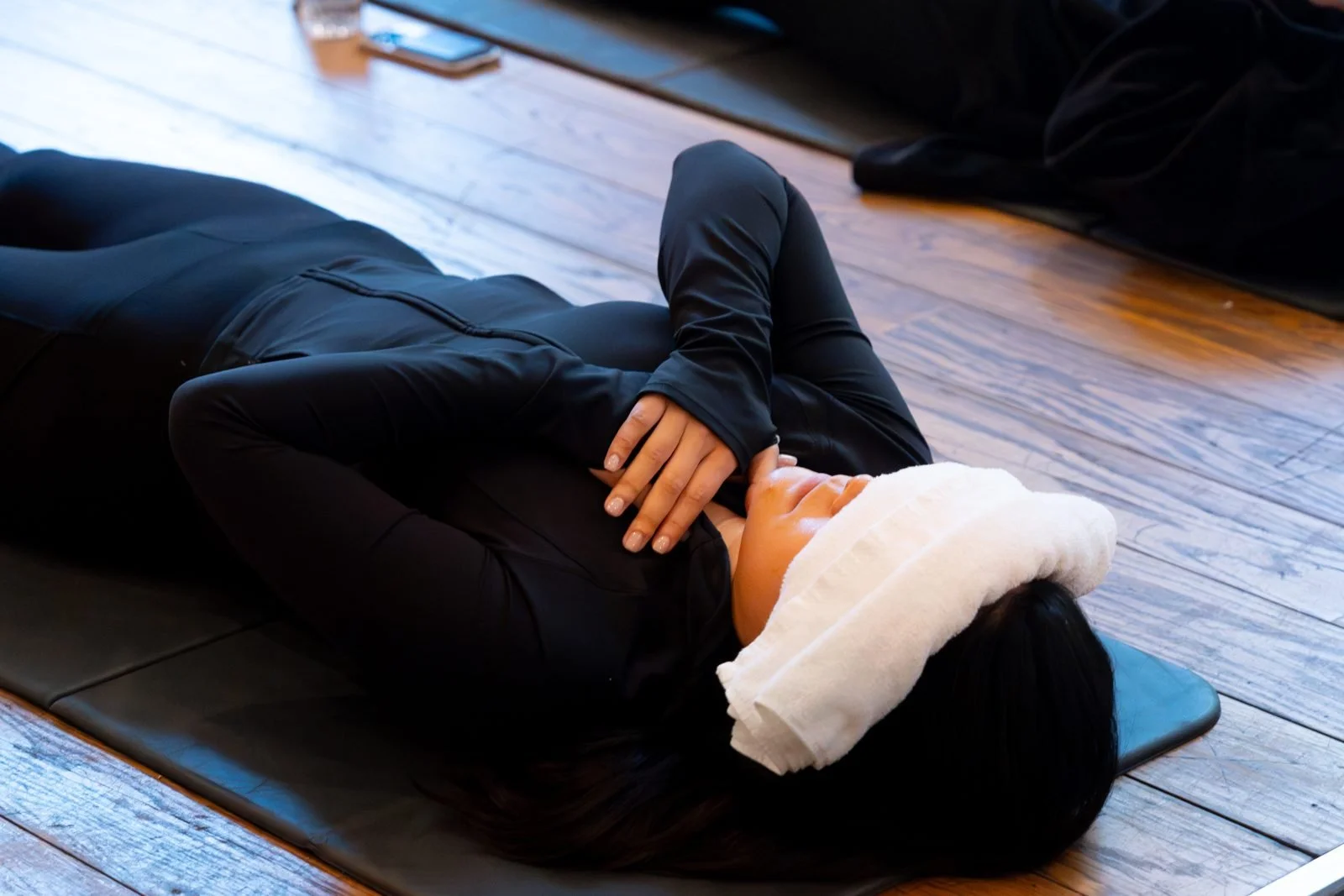
It's very common for people to fall asleep during a sound bath, because they're so relaxed that they're able to let go and get into that deeper brainwave state. And they wake up feeling very well rested afterward. Snoring is normal too.
I hear from clients about sleep afterward too. One mom told me that after her sound bath, both her husband and her baby slept for 12 hours straight, which she said "happens pretty much never." Another client told me, "I felt refreshed afterwards and I slept really well last night." Everyone is different, but it's one of the things people mention most.
Is an Evening Sound Bath Better for Sleep?
A sound bath at any time of day can help your sleep, because it gives your mind a break from the constant thinking. In my experience, the effects can last up to a couple of days, depending on what's happening in your life. So the calm can stay with you into the evening and help you sleep really well that night, no matter when you had your session.
An evening session has an extra benefit. You can go home and stay in that same calm state. You're not heading back into meetings or making big decisions. You can have a quiet evening and go to bed.
What to Do After a Sound Bath
Drink plenty of water. I always recommend it after a session. In sound healing, we talk about water helping move stuck energy out of the body. That's what I've seen and felt.
Skip screens before bed. Scrolling brings your mind right back to work and the news.
Skip the nightcap. Alcohol can make you sleepy at first, but it disrupts sleep later in the night.
Keep the evening quiet. If you can, save big conversations and decisions for the morning.
Private Sound Baths for Sleep
If sleep is what you want to work on, a private session lets me shape the whole hour around it. I guide the meditation to focus on sleeping better and getting deeper rest.
As with anything, regular sessions tend to do more than a single one.
How to Use Sound at Home at Bedtime
Sometimes I listen to sound healing to fall asleep. And if I wake up in the middle of the night, I'll put on a track to get myself back to sleep.
If you want to try it at home:
Find a longer recording. Insight Timer, Spotify, and YouTube all have sound baths. For sleep, choose something longer than a few minutes.
Set a timer. If the app doesn't have one, set a timer on your phone so the sound turns off after 30 minutes to an hour.
Get comfortable first. Lights low, phone face down, eyes closed.
When to Talk to a Doctor
If you're struggling with sleep most nights, or it's been going on for a while, talk to your doctor. A sound bath can help you relax, but it isn't a treatment for insomnia. If you have a health condition, check who should talk to a doctor before a sound bath.
Frequently Asked Questions
Can a sound bath help you sleep?
It can. A sound bath helps get you out of your head, which makes it easier for your body to rest. Many people fall asleep during a session and wake up feeling well rested. Results vary.
Is it OK to fall asleep during a sound bath?
Yes. People fall asleep all the time, and snoring is normal.
What is the best time of day for a sound bath for sleep?
Any time can help, but an evening session lets you go home and carry that calm into bed.
Can I listen to a sound bath to fall asleep at home?
Yes. Try a longer recording on Insight Timer, Spotify, or YouTube, and set a timer so it turns off after 30 minutes to an hour.
What should I do after a sound bath to sleep better?
Drink plenty of water, skip screens and alcohol, and keep your evening quiet.
Can a sound bath cure insomnia?
No. It can help you relax, but if you're struggling with sleep regularly, talk to your doctor.
If your mind won't stop at night, contact me about a private session in Lagos or anywhere in the Algarve, built around better sleep. Or start tonight with my free 5-Minute Sound Bath Reset.
